Septic System Relocation in Denver, CO
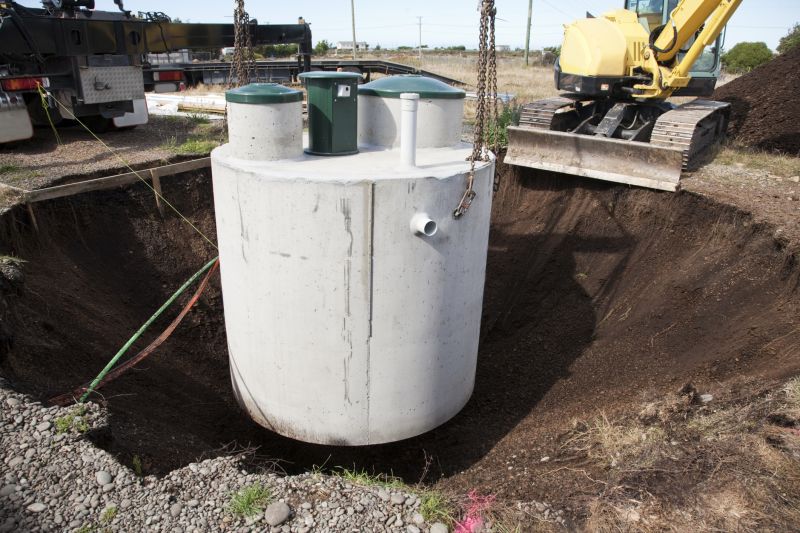
Septic system relocation services involve moving an existing septic system to a different area on a property, often to accommodate new construction, landscaping changes, or property improvements. These projects typically include assessing the current system, planning a new installation site, and properly excavating and installing the system in its new location. Homeowners considering a septic system relocation should understand the importance of site evaluation, soil testing, and adherence to local regulations to ensure the new system functions effectively and meets all necessary standards.
Property owners interested in septic system relocation usually want to know about the scope of work involved, including the potential impact on their property and existing structures. It’s also useful to consider factors such as the distance of the move, the condition of the current system, and any permits or approvals required by local authorities. Proper planning and professional guidance can help ensure the relocation process is smooth, minimizes disruptions, and results in a reliable, long-lasting septic system in its new location.
Many property owners in Denver, CO look into Septic System Relocation for repairs, replacements, upgrades, and appearance-related improvements.
Reasons For Septic System Relocation
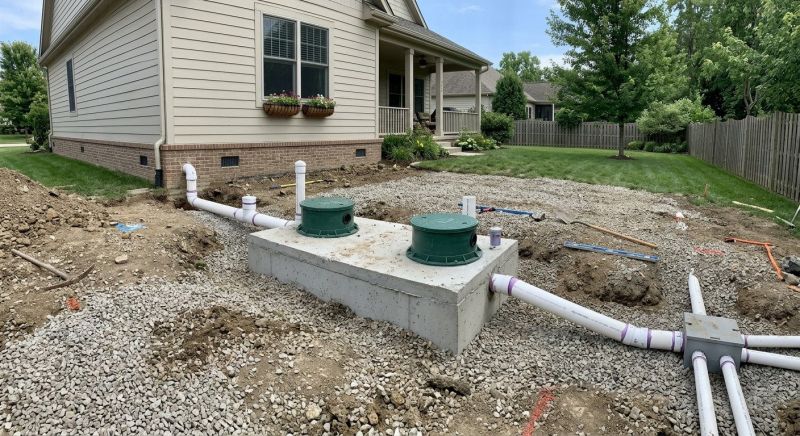
Property upgrades or changes in land use often require moving an existing septic system.
Key Considerations For Moving A Septic System
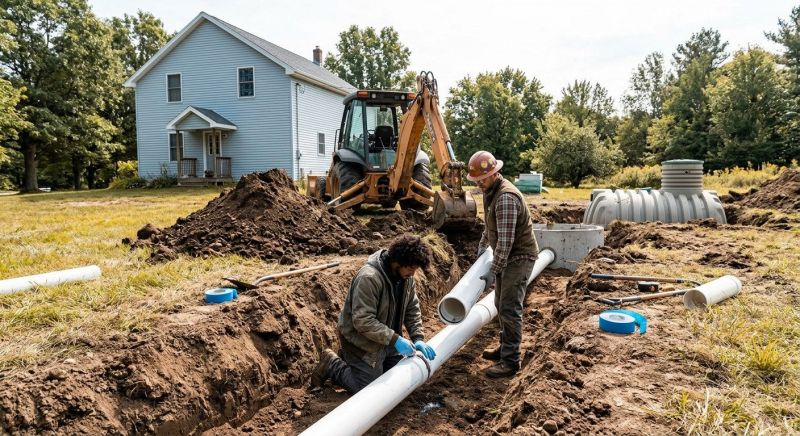
Proper planning ensures the new location meets code requirements and maintains system functionality.
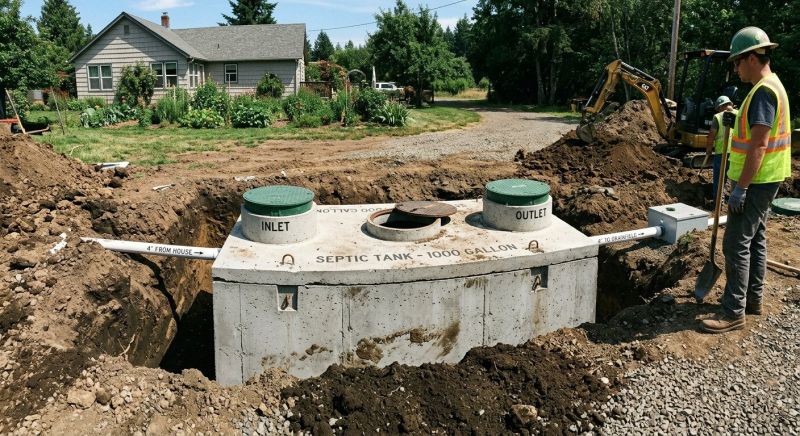
Benefits Of Professional Septic Relocation
Expert services help minimize disruptions and ensure compliance with local regulations in denver, co.
Septic System Relocation in Denver, CO

Septic system relocation services involve moving an existing septic system to a different area on a property, often to accommodate new construction, landscaping changes, or property improvements. These projects typically include assessing the current system, planning a new installation site, and properly excavating and installing the system in its new location. Homeowners considering a septic system relocation should understand the importance of site evaluation, soil testing, and adherence to local regulations to ensure the new system functions effectively and meets all necessary standards.
Property owners interested in septic system relocation usually want to know about the scope of work involved, including the potential impact on their property and existing structures. It’s also useful to consider factors such as the distance of the move, the condition of the current system, and any permits or approvals required by local authorities. Proper planning and professional guidance can help ensure the relocation process is smooth, minimizes disruptions, and results in a reliable, long-lasting septic system in its new location.
Many property owners in Denver, CO look into Septic System Relocation for repairs, replacements, upgrades, and appearance-related improvements.
Common Septic System Relocation Jobs
Septic System Relocation - Services include moving existing septic systems to accommodate property renovations or expansions.
Septic System Replacement - Replacing outdated or failed septic systems with modern, properly positioned units.
Site Assessment and Planning - Evaluating property layouts to determine optimal locations for septic system relocation.
Permitting and Compliance - Assisting with necessary permits and ensuring adherence to local regulations.
Drain Field Adjustment - Relocating drain fields to improve system performance and meet new site requirements.
Property Expansion Support - Moving septic systems to enable building additions or land development projects.
Septic System Relocation Questions
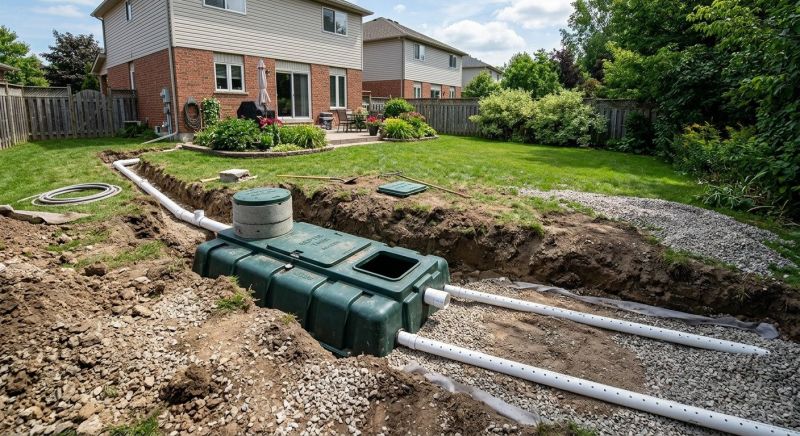
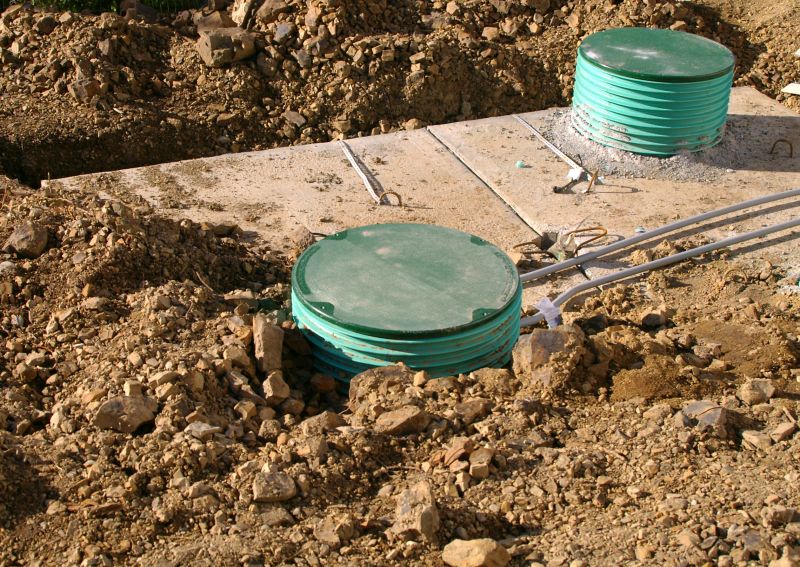
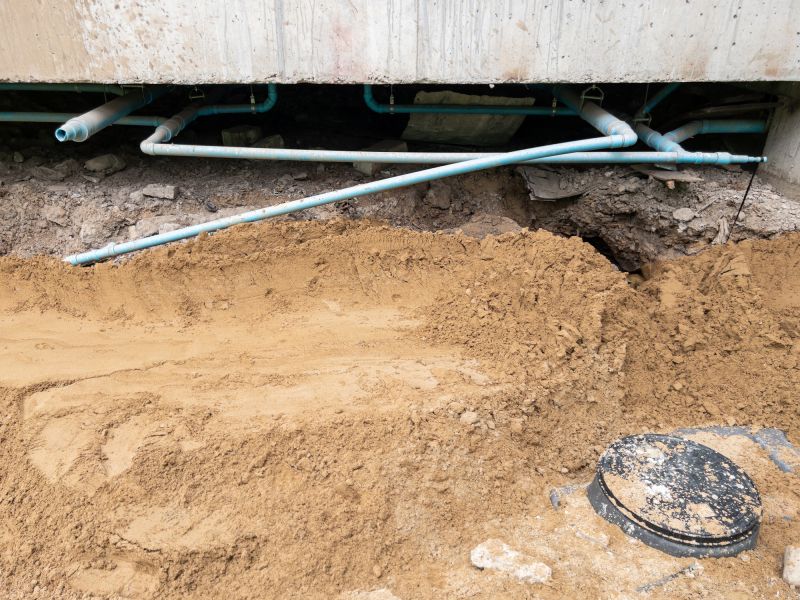
What is involved in relocating a septic system? The process includes excavating the existing system, preparing a new site, and installing the components in the new location to ensure proper function.
When should a septic system be relocated? Relocation is typically needed when property development, landscaping, or new construction affects the current system’s placement or access.
What property considerations are important for septic system relocation? The new site should have suitable soil conditions, appropriate distance from wells and structures, and proper slope for drainage.
Are there permits required for septic system relocation? Yes, local regulations often require permits to ensure the new installation meets health and safety standards.
Request Septic System Relocation in Denver, CO
Use the quote form on this page to share the basics of your project and request more information for the type of work you need.