Piping Replacement in Denver, CO
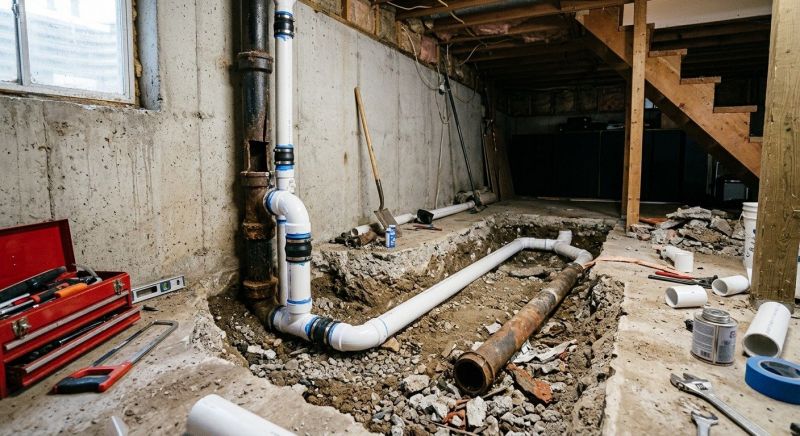
Piping replacement services involve removing and installing new pipes to ensure the plumbing system functions properly and efficiently. This service covers a variety of projects, including upgrading aging pipes, replacing corroded or damaged lines, and updating plumbing to meet current standards. Homeowners often request piping replacement when experiencing frequent leaks, low water pressure, or signs of pipe deterioration, such as discoloration or unusual odors. Understanding the scope of the project, the types of pipes involved, and the potential impact on daily routines can help property owners make informed decisions before requesting service.
Property owners should consider factors such as the age of existing pipes, the material used, and the extent of any damage when exploring piping replacement options. It's common to inquire about the process involved, including how long the work might take and whether any parts of the property need to be temporarily inaccessible. Clarifying these details in advance can help ensure the project aligns with expectations and minimizes disruptions. Proper planning and understanding of the scope can lead to a smoother replacement process and long-term plumbing reliability.
Many property owners in Denver, CO look into Piping Replacement for repairs, replacements, upgrades, and appearance-related improvements.
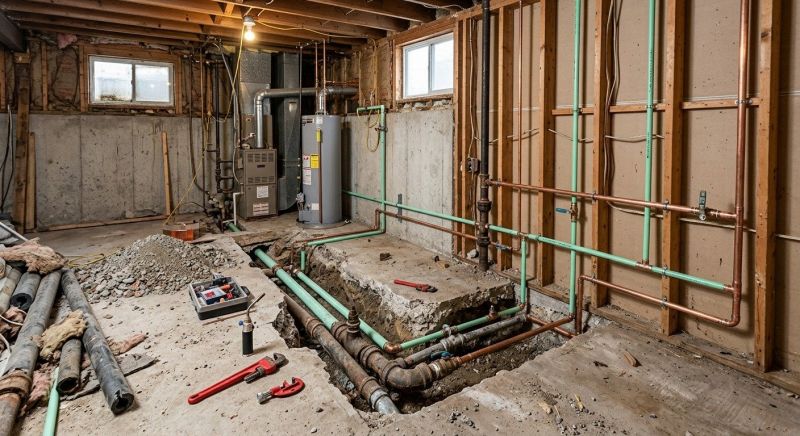
Signs You Need Piping Replacement
Corrosion, leaks, or frequent clogs can indicate outdated or damaged pipes that require replacement.
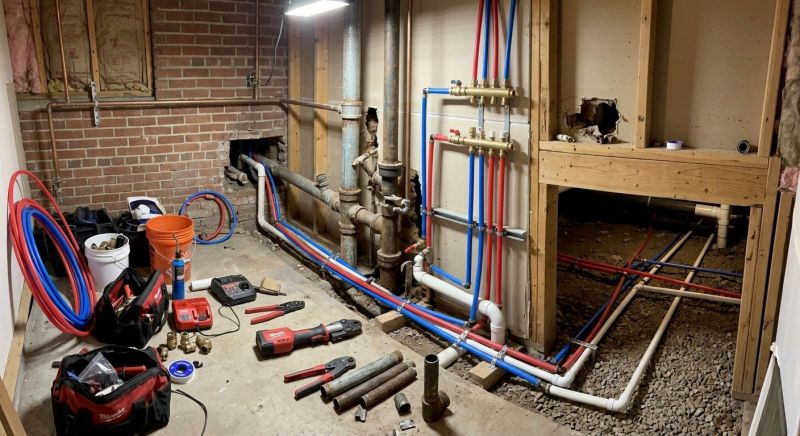
Types Of Piping Materials
Common options include copper, pvc, and pex, each suited for different plumbing needs in denver homes.
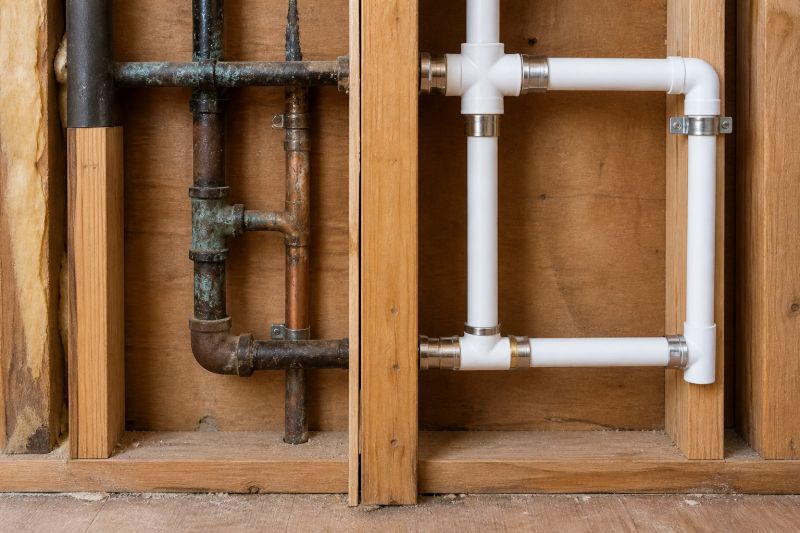
Benefits Of Modern Piping Systems
Upgrading pipes can improve water flow, reduce leaks, and enhance overall plumbing reliability for property owners.
Piping Replacement in Denver, CO

Piping replacement services involve removing and installing new pipes to ensure the plumbing system functions properly and efficiently. This service covers a variety of projects, including upgrading aging pipes, replacing corroded or damaged lines, and updating plumbing to meet current standards. Homeowners often request piping replacement when experiencing frequent leaks, low water pressure, or signs of pipe deterioration, such as discoloration or unusual odors. Understanding the scope of the project, the types of pipes involved, and the potential impact on daily routines can help property owners make informed decisions before requesting service.
Property owners should consider factors such as the age of existing pipes, the material used, and the extent of any damage when exploring piping replacement options. It's common to inquire about the process involved, including how long the work might take and whether any parts of the property need to be temporarily inaccessible. Clarifying these details in advance can help ensure the project aligns with expectations and minimizes disruptions. Proper planning and understanding of the scope can lead to a smoother replacement process and long-term plumbing reliability.
Many property owners in Denver, CO look into Piping Replacement for repairs, replacements, upgrades, and appearance-related improvements.
Common Piping Replacement Jobs
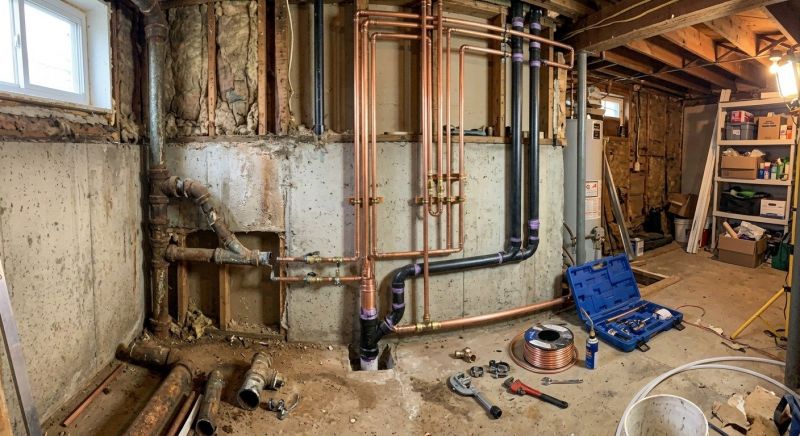
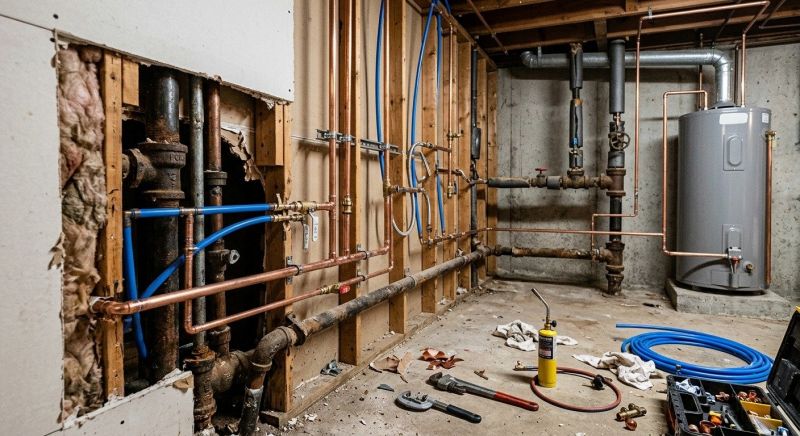
Residential piping replacement involves upgrading aging or damaged pipes to ensure reliable water flow throughout the home.
Kitchen and bathroom pipe upgrades improve water pressure and prevent leaks in critical areas of the property.
Main water line replacement addresses leaks or breaks that can cause significant water damage and high utility bills.
Pipe rerouting services are available for remodeling projects or when adding new fixtures that require new piping routes.
Underground piping replacement resolves issues with corroded or leaking pipes buried beneath the property.
Emergency piping repairs provide quick solutions for burst pipes or major leaks to minimize property damage.
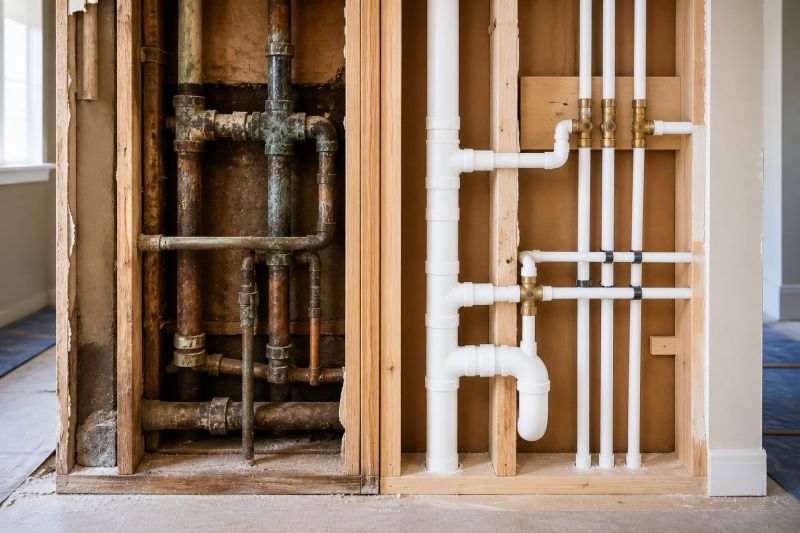
Piping Replacement Questions
What are signs that piping needs replacement? Signs include frequent leaks, low water pressure, rust-colored water, or visible pipe corrosion.
What types of pipes are commonly replaced? Commonly replaced pipes include copper, galvanized steel, and polybutylene plumbing lines.
Why should property owners consider pipe replacement? Replacing aging or damaged pipes helps prevent water damage, improves water quality, and enhances plumbing reliability.
What projects typically require piping replacement? Projects often involve upgrading old plumbing systems, repairing leaks, or preparing properties for renovations or inspections.
Request Piping Replacement in Denver, CO
Use the quote form on this page to share the basics of your project and request more information for the type of work you need.